Acne & skin
Clearer skin, properly assessed
Acne is treatable and the plan depends entirely on getting the severity and the lesion type right. Standardised photographs, a graded diagnosis, then a 12-week course with the review built in.
Fully online. Video consultation with Dr Qurbain, medication dispensed to your door, and no need to travel anywhere.
Tried everything on the shelf, and still covering up?
If any of these sound familiar, this consultation was built for you.
You have a drawer of half-used products that did not work.
You want someone to actually look properly and tell you what type it is.
You are tired of being told it is just hormones, or just stress.
You want a plan with an end date, not an endless routine.
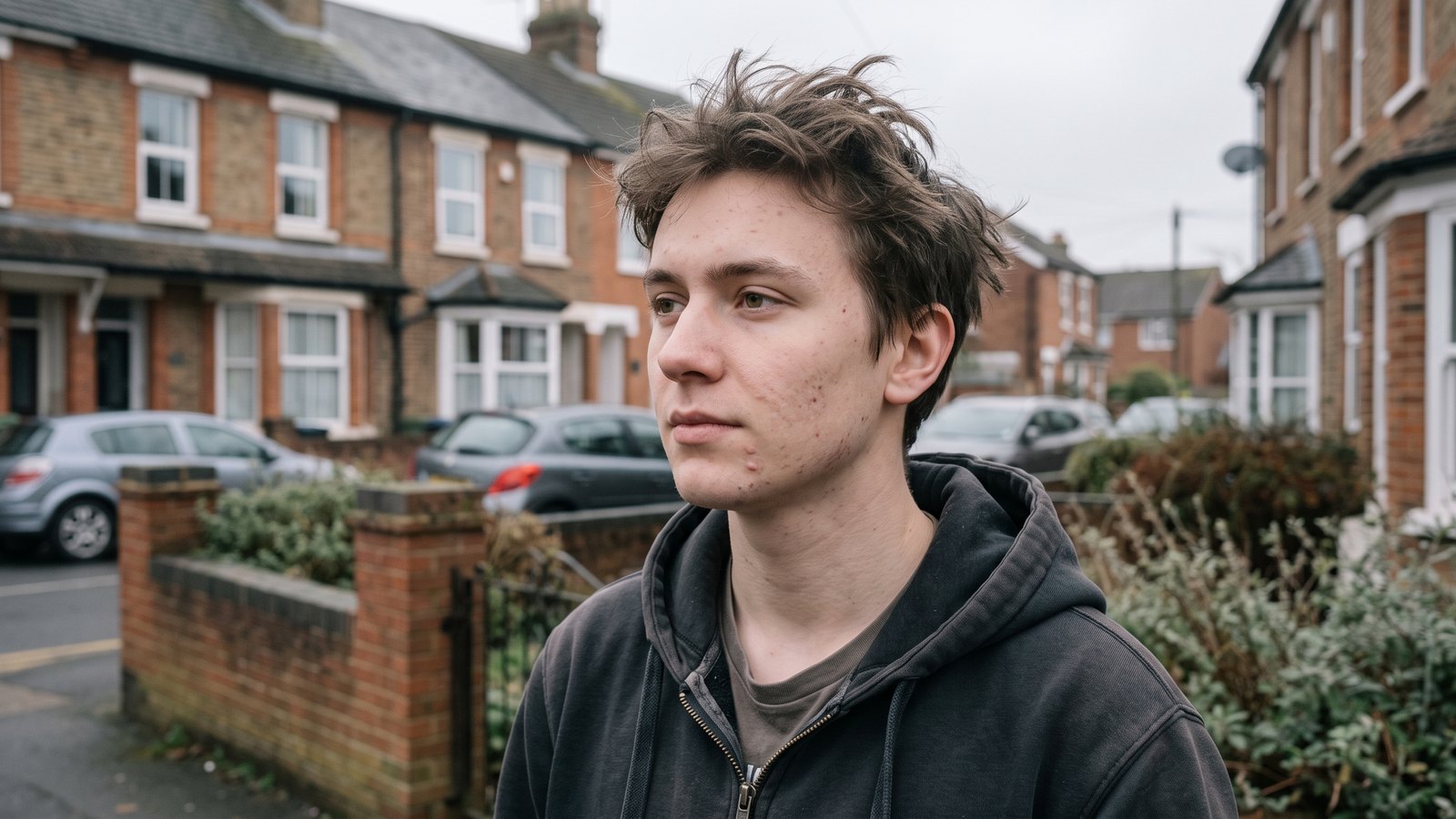
The grade decides the treatment. So we grade it properly.
Comedonal, papulopustular and nodular acne need different treatment, and several common conditions — rosacea, folliculitis, hidradenitis, perioral dermatitis, acneiform drug eruptions — look like acne in a mirror and do not respond to acne treatment. Grading from good photographs is not an administrative step; it is the clinical decision.
The other thing that matters is the clock. Treatment is given as a fixed 12-week course, because that is when a fair judgement can be made, and oral antibiotic use is tracked against a ceiling rather than renewed indefinitely. Both of those protect you.

How it works
Four steps, all from home
Standardised photographs
Full face, both profiles, and chest or back where affected. Even lighting, no filters, no make-up. If the photographs are not good enough to grade severity, nothing is prescribed until they are — and you are told what to retake.
Video consultation and grading
Severity, lesion type and any scarring recorded explicitly at baseline. Previous treatments, doses and what happened. The psychological impact is asked about directly, including low mood, at every consultation.
Your 12-week course
A plan matched to the grade, dispensed by a registered pharmacy, with counselling on what to expect in the first weeks — including that an initial flare is normal. Your GP is told.
Interim check, then review
A short check at 6 to 8 weeks for tolerability and early response, then the full 12-week review with repeat photographs compared against your baseline.
A fixed twelve-week course
Acne treatment is given as a course with a defined end, because twelve weeks is when response can fairly be judged. Expect six to eight weeks before you see a change.
Week 0
Start
Baseline photographs, severity and lesion type graded, scarring recorded, psychological impact asked about.
Weeks 6–8
Interim safety check
By message, phone or video. Tolerability, side effects, mood and adherence. This is not the efficacy review — it exists so nobody tolerating treatment badly waits the full twelve weeks.
Week 12
Response judged
Mandatory review with repeat photographs against your baseline. Continue, step up, step down or refer. Psychological impact reassessed.
After control
Maintenance
Oral antibiotics stop. Treatment continues topically to hold the result.
What treatment involves
Mild to moderate
- A fixed-combination topical treatment, which is more effective than a single agent used alone
- An alternative topical option where a retinoid is not tolerated or not suitable
- A full 12-week course, because that is when response can fairly be judged
Moderate, or topical treatment not enough
- A topical treatment plus a 12-week oral antibiotic course
- An oral antibiotic is never prescribed without a topical agent alongside it — that is what limits resistance
- Cumulative antibiotic exposure recorded and tracked against a 6-month total; beyond that you are referred, not re-prescribed
A hormonal option for women
- Considered after blood pressure, BMI and clot risk are assessed
- Reviewed for stopping three months after your acne is controlled
- Not used where there is a clot risk or migraine with aura

Honest about the timeline
Expect 6 to 8 weeks before visible change, and judge it at 12 weeks — not before. Some initial worsening is common and is not a sign treatment has failed. And the honest framing: treatment controls acne rather than cures it, so once you are clear the plan moves to maintenance rather than simply stopping. If two proper courses have not worked, the answer is a dermatologist, not a third attempt here.
What you need to know before starting
Side effects, and what to do about them
Read
These treatments are well established and most people use them without difficulty. The things worth knowing in advance are specific.
- Topical retinoids — dryness, irritation and sensitivity to sunlight. Apply at night, use sunscreen, and expect an initial flare.
- Benzoyl peroxide bleaches fabric and hair. Mundane, and the most common complaint we could have prevented by mentioning it.
- Oral antibiotics of this class — sensitivity to sunlight, and irritation of the gullet, so take upright with a full glass of water.
- Severe headache or any visual disturbance on an oral course — stop immediately and seek urgent assessment. This is rare but it matters.
- Pregnancy — retinoids and this class of antibiotic must not be used. If you become pregnant, stop and contact us; your GP is told.
- Any new rash, mouth or eye involvement, or feeling systemically unwell on a new medicine — stop and seek advice urgently.
- Your mood is asked about at every consultation, and acne affecting your mental health is treated as a clinical finding, not an aside.
When we will not prescribe
Who this service cannot treat, and why
Read
Acne that needs a dermatologist should see one, and several findings mean exactly that.
- Any request for the oral retinoid used in severe acne — never prescribed by this service, at all. Where it is the right treatment you are referred to dermatology
- Severe nodulocystic acne, or scarring that is established or developing — prompt referral
- Acne fulminans or conglobata, or rapidly progressive nodulocystic acne — urgent referral
- Two or more adequate courses already failed
- Sudden severe acne with fever, joint pain or feeling unwell
- Acne with hirsutism, voice change or disturbed periods — referred for endocrine assessment
- Significant psychological distress, body dysmorphic features or any suicidal ideation — escalated and supported, not handed a prescription
- Any lesion that could be a skin cancer — referred on the suspected-cancer pathway
- Pregnancy, breastfeeding or planning pregnancy, and anyone under 18
Where what you have is not acne — rosacea, folliculitis, hidradenitis suppurativa, perioral dermatitis — you are told that and reassessed or referred, rather than treated for the wrong condition.
Reviewed on a fixed schedule
The full review and monitoring schedule
Read
A 6 to 8 week interim check by message, phone or video — tolerability, side effects, mood, adherence and early response. This is a safety touchpoint, not the efficacy review, because response is properly judged at 12 weeks. The 12-week review is mandatory and covers repeat photographs, a decision to continue, step up, step down or refer, and a reassessment of the psychological impact. Supply never exceeds 12 weeks. Once you are controlled, oral antibiotics stop and maintenance continues topically.
Why your antibiotic course has a ceiling
Oral antibiotics for acne are tracked cumulatively, not course by course. Antibiotic resistance is the reason, and the limits are not negotiable.
Our approach follows current national guidance. See the guidelines we work to.
Initial consultation
Your initial consultation is paid when you book, before the consultation, and is charged whether or not treatment is prescribed. A follow-up review is paid when it happens, and only if you or your doctor decide you need one.
Joining the waiting list is free. Medicine, if prescribed, is bought separately from the dispensing pharmacy and its cost is confirmed with you before you pay for each supply.
Photographic assessment and grading, video consultation, written treatment plan, the 6–8 week interim check and the 12-week review. Medication, where prescribed, is dispensed separately by a registered pharmacy and priced before you pay.